 Brandon Regional Search and Rescue Association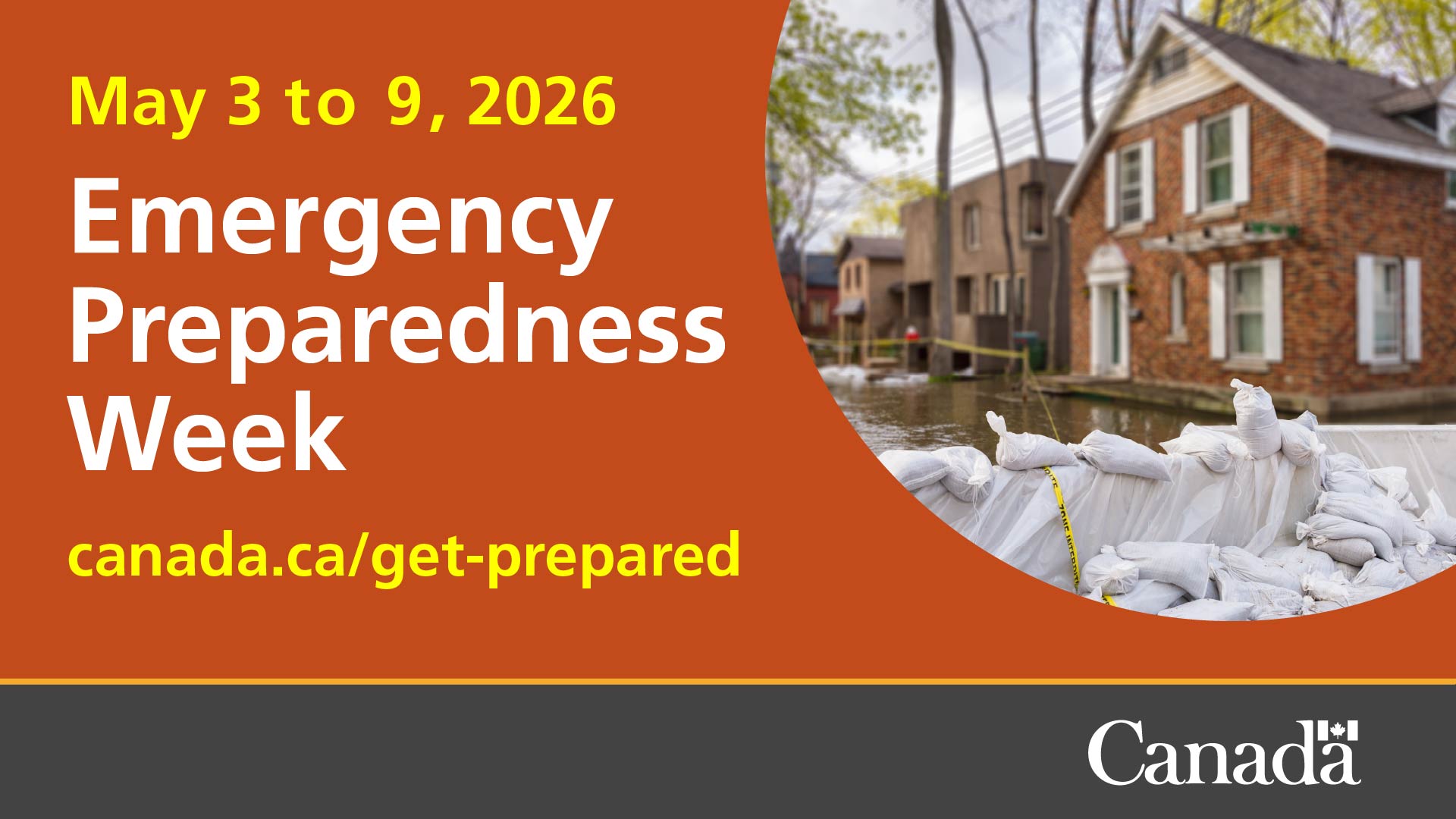
Know The Risks
Canada faces various regional hazards. Being prepared means knowing the risks in your area and how to respond. Emergencies may also arise from events like bomb threats, chemical spills, or disease outbreaks. Public Safety Canada has prepared a list of Common Hazards and Emergencies in Canada
Make an Emergency Plan
It will take you about 20 minutes to make a family emergency plan online. You can then print it out.
Before starting, you will need to think about:
- Safe exits from home and neighbourhood
- Meeting places to reunite with family or roommates
- Designated person to pick up children should you be unavailable
- Contact persons close-by and out-of-town
- Health and insurance information
- Places for your pet to stay
- Risks in your region
- Location of your fire extinguisher, water valve, electrical panel, gas valve and floor drain
BUILD A KIT
Where to start
- What you need may depend on where you live and who is in your home so your emergency kit should be tailored to your unique needs. For example, people in remote areas may need extra items
- Check with your local, provincial, or territorial government to see what else you should include
- If you can, add more supplies in case the emergency lasts longer
- Build an emergency kit over time with items from your home
- Start with assembling basic supplies, documentation and medical equipment before moving to additional supplies
- Your emergency kit should be easy to take with you in the event of an evacuation. If needed, create separate grab and go bags for each member of your household
Basic emergency kit checklist
These are the emergency essentials you need in your emergency kit:
Stored or bottled water: two litres per person per day for drinking,
cooking and hygieneNon-perishable food, such as canned food, energy bars and dried foods (replace once a year)
Manual can opener
Wind-up or battery-powered flashlightWind-up or battery-powered radio
Extra batteries and battery packs
First aid kit including adhesive bandages, tape, gauze, antiseptic wound cleanser, and disposable gloves
Extra keys for your car and house
Cash in smaller bills and coins
Mobile phone charger and power bank
Tissue paper, toilet paper and paper towels
Important documents
Physical and digital copies of important documents such as:
Identification for each person (birth and marriage certificates, passports, citizenship papers)
Emergency plan: include a copy in your kit, including
contact information
List of all medications, dosage and purpose of them
Contact information for emergency service providers (e.g. doctors, health care, shelter supports, etc.)
Medical insurance information and provincial/territorial health number
Other insurance information (e.g. homeowners, renters, vehicle)Banking information and records
Next of kin contact
Medical and other important items
Some supplies should be added based on the needs of the people in your home:
Toiletries and personal hygiene items including menstrual supplies
Pet supplies including food, water, and medication
Infant formula, baby food, and wipes
Prescription medications and medical equipment
Eyeglasses and contact lens solution
Sunscreen and bug spray
Additional supplies
After putting together your basic emergency kit, consider adding these items to be more prepared for specific hazards or a longer period of time:
N95 masks or surgical masks
Water purifying tablets or additional stored water for cooking and cleaning
Basic tools such as a hammer, screwdrivers, gloves and pocket knife
Small fuel-operated stove and fuel (never use inside buildings, tents, or other closed spaces)
Hand sanitizer and garbage bags
Whistle
Candles with waterproof matches or lighter, stored safely
Pen and paper
Duct tape, scissors and plastic sheeting
Grab and go bags
Consider preparing a separate grab-and-go bag for each member of your household. These bags should include essential items from your basic emergency kit, but are easier to carry in an evacuation. Additionally, consider adding the following items to a grab-and-go bag:
Local maps
Change of clothing and footwear for each household member
Sleeping bag or warm blanket for each household member
Utensils, plates and cups
A small multi-tool with a screwdriver, scissors, and other useful tools
Activities for children like books, puzzles or toys
Further Information
We recommend you check out the following sites:
Public Safety Website: Emergency preparedness – Canada.ca
Manitoba Emergency Management Organization (EMO)
MB Ready
MB Ready is Manitoba’s public emergency information platform, now available for download in your app store. Set up your geographic boundary on MB Ready, so you can get real-time location-based emergency notifications for severe weather, wildfires, flood, road closures, power outages, and other hazards in Manitoba. Download MB Ready to stay informed and take action to stay safe.
Alerting
Manitoba will participate in the upcoming test to the Alert Ready National Public Alerting System on Wednesday, May 6, 2026, at 1:55 pm. The test will occur on all platforms including television, radio, and compatible wireless devices. These tests ensure the Alert Ready system operates as intended during an imminent or life-threatening situation. Additionally, these tests serve to increase public awareness about the Alert Ready system; how it works, what an emergency alert looks and sounds like so that Manitobans can be ready in the event of an actual emergency.
For more information about emergency alerts, visit Alert Ready or Manitoba EMO.
Resources
Manitoba EMO has prepared a variety of emergency preparedness resources in English and French that local authorities are encouraged to use and share with community members.
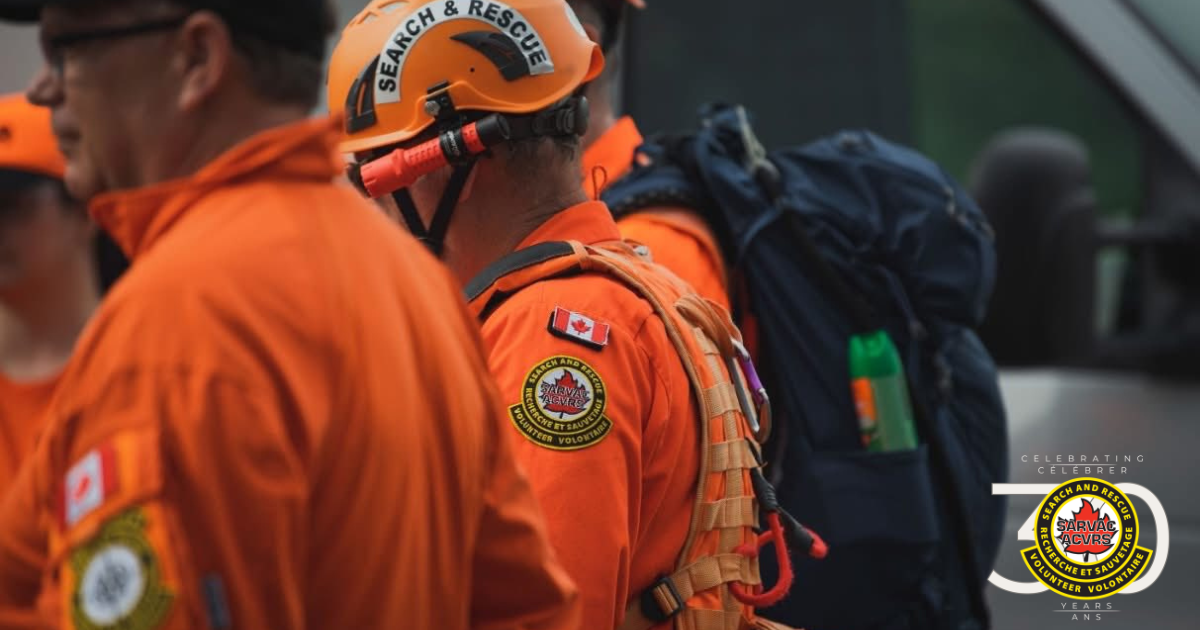
For us, every week is about Ground Search and Rescue (GSAR) volunteers across Canada. But during National Volunteer Week (April 19–25, 2026), we pause to recognize them together—as a powerful, unified force.This year’s theme aligns with Ignite Volunteerism: a year-long, nation-building celebration and a rare opportunity to highlight the impact of civic participation while renewing Canada’s culture of volunteering.Ignite Volunteerism is more than a theme—it’s a movement. It shines a light on those who step forward, strengthens volunteerism nationwide, and celebrates the stories that define our sector. As we mark SARVAC’s 30th anniversary, we are especially proud to recognize the GSAR volunteers whose dedication continues to drive meaningful change and make our work possible.A Message from SARVAC’s President|“On behalf of SARVAC, thank you for your continued commitment and contribution. Our progress and reputation are built on the reliability and integrity of our volunteers, and SARVAC’s 9,000+ volunteers are second to none. We are stronger—and more effective—because of you.”
— Janelle Coultes, SARVAC PresidentCopyright © 2026 The Search and Rescue Volunteer Association of Canada, All rights reserved.Our mailing address:
24 McNamara Drive
Paradise, NL A1L 0A6Copyright © 2026 The Search and Rescue Volunteer Association of Canada, All rights reserved.
Want to change how you receive these emails?
You can update your preferences or unsubscribe from this list.
»aodutola@brandonsun.com »X:@AbiolaOdutola
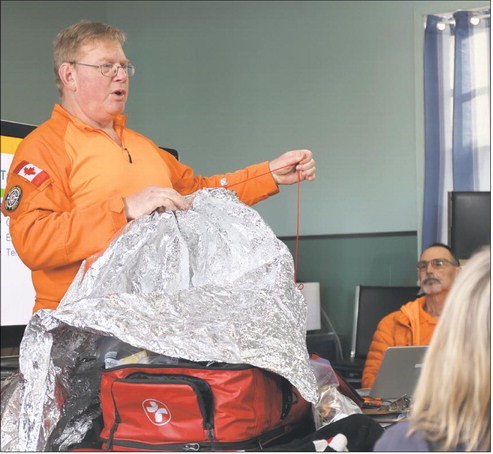
Photo credit of Brandon Sun
The Brandon Regional Search and Rescue Association led a day of winter survival training Saturday for members of The Civil Air Search and Rescue Association. The training started with a classroom session at CASARA’s office at the at Brandon Municipal Airport before moving to an afternoon field exercise at CFB Cornwallis Camp. The training focused on the “Three T’s” of outdoor safety: Trip planning, Training, and Taking the essentials, explained instructor Brian Wiltshire during the classroom session. “Let people know where and when you’re going,” he said. “It makes it a lot easier for us to start a search if something goes wrong.” Wiltshire, a retired military member who now serves as a searcher and team leader, emphasized the importance of preparation for any outdoor, whether canoeing, mountain biking, or hiking. Participants should seek training specific to their activities and carry essential survival gear to sustain themselves until help arrives, he added. Saturday’s session was tailored for CASARA volunteers—the air search component that assists the Royal Canadian Air Force by providing pilots, navigators, and observers in searches for missing aircraft. Brandon Regional Search and Rescue members, often seen in orange gear, serve as the ground search unit. “We’re mutual assistants to each other,” Wiltshire said. “If someone’s missing, we could be assisting them, or they could be assisting us. Education keeps everyone up to date and better prepared.” In the afternoon, the group headed to CFB Cornwallis Camp for a practical winter survival exercise, simulating an emergency scenario, building shelters, starting fires, and boiling water in frigid conditions.
Preparedness was the key takeaway, noted zonal commander Daryl Neustater, who oversees CASARA’s southwest Manitoba zone. “Having what you need, knowing what you’re getting into, and what you might need to deal with—that’s the big thing,” Neustater said. “While many members have outdoor experience, others do not, making refresher training valuable for everyone.”
Volunteer Di Ingram, a 10-year CASARA member, said the training was practical and empowering. “We can’t go searching for people if we can’t look after ourselves,” she said. “There are lots of little tips from the military guys, lots of equipment we could add to our own survival bags.” Ingram, who says she loves Manitoba winters, said, “There’s no bad weather — just bad clothing. If you’re dressed for the weather, you
can enjoy it.”
For Brandon Regional Search and Rescue ground search specialist Brian Fowell, the field exercise reinforced lessons that can only truly be learned outdoors. “There’s no sense doing this in the summertime that’s just camping,” Fowell said. “Winter changes everything.” Fowell, who has been involved in organized search and rescue in the region for more than five decades, said the goal was simple: build a shelter, start a fire and boil water —all while conserving energy. “You can burn wood all night and stay warm, but you’ll be exhausted,” he explained. “Sometimes you just need coals and a proper shelter
to keep the wind off.” He said Manitobans should prepare their vehicles at all times, and carry emergency supplies such as food, water, extra clothing and medications, and to stay with their vehicle if stranded. “People think their cellphone is going to save them,” Fowell said. “It helps, but sometimes people
can’t get to you right away.” Brandon Regional Search and Rescue, which operates with 30 to 38 highly trained volunteers, responds to roughly 10 physical searches a year and trains once or twice monthly on GPS navigation, search techniques, first aid and rope rescue. The group also delivers 30 to 40 school presentations annually through programs like Hug-a-Tree and Survive Outside. Saturday’s joint training drew
about 20 participants and was deemed a success, and the collaboration strengthens co-ordination between air and ground teams, he said. “It’s about working together and learning from each other,” Fowell said. “When there’s a real emergency, that teamwork makes all the difference.”
reposted from the Brandon Sun » aodutola@brandonsun.com » X: @AbiolaOdutola
https://sarvac.ca/in-loving-memory-of-paul-st-onge/
It is with profound sadness that we share the recent passing of our colleague, mentor, and friend, Paul St-Onge, Training Coordinator for the Search and Rescue Volunteer Association of Canada (SARVAC) Humanitarian Workforce Program.
Paul was an integral part of our SARVAC team. His larger-than-life personality was matched by his energy, professionalism, and unwavering commitment to strengthening Canada’s search and rescue community.🇨🇦 Through his leadership in training and volunteer development, he played a meaningful role in building capacity and supporting teams across the country. His steady presence, insight, and dedication to excellence left a lasting mark on our organization.
Above all, Paul believed in people — in preparing them well, supporting them fully, and challenging them to rise to the occasion. His contributions to SARVAC and the broader SAR community will not be forgotten.
We extend our deepest sympathies to his entire family. Paul will be profoundly missed, and his legacy will continue to inspire for many years to come. We are deeply grateful for his contributions to our SAR family.
Bravo Zulu.🦺


🌲 Honouring Jimmy Beveridge: The Legacy of Hug-a-Tree and Survive 🌲
Today, we remember Jimmy Beveridge, whose story led to the creation of the Hug-a-Tree and Survive program—teaching children what to do if they become lost outdoors.
🔎 Inspired by a 1981 Search
Jimmy’s disappearance sparked a massive five-day search involving 400 rescuers. His story became the foundation for a program that has helped prevent similar tragedies for more than four decades.
🇨🇦 From Local Initiative to National Program
Originally developed in the U.S., Hug-a-Tree and Survive was adapted for Canada by the RCMP In 2004, the BC Search and Rescue Association launched AdventureSmart with support from the New Initiatives Fund (NIF). Since 2008, SARVAC has actively promoted both AdventureSmart and Hug-a-Tree and Survive. In 2015, the program was further strengthened by the National Search & Rescue Secretariat (NSS) and SARVAC to expand its reach and impact.
🧭 Still Saving Lives — 45 Years Later
Hug-a-Tree continues to teach essential survival skills to children across the country. Program materials are now available in Michif, Cree-TH, Cree-Y, Dené, Saulteaux and Woodland Cree. Watch the translated videos on the AdventureSmart YouTube channel.
👨👩👧👦 A Must for Families & Educators
Communities that offer the program report fewer lost-children cases. It’s ideal for schools, Scouts, Guides, and youth groups.
🎒 Learn & Play
✔️ Know the four survival rules
✔️ Try the interactive e-learning game
✔️ Access the full program online at adventuresmart.ca
Jimmy’s legacy lives on—empowering children with knowledge, confidence, and life-saving skills.
hashtag#ChildSafety hashtag#OutdoorSafety hashtag#SurvivalSkills hashtag#SearchAndRescue hashtag#YouthEducation


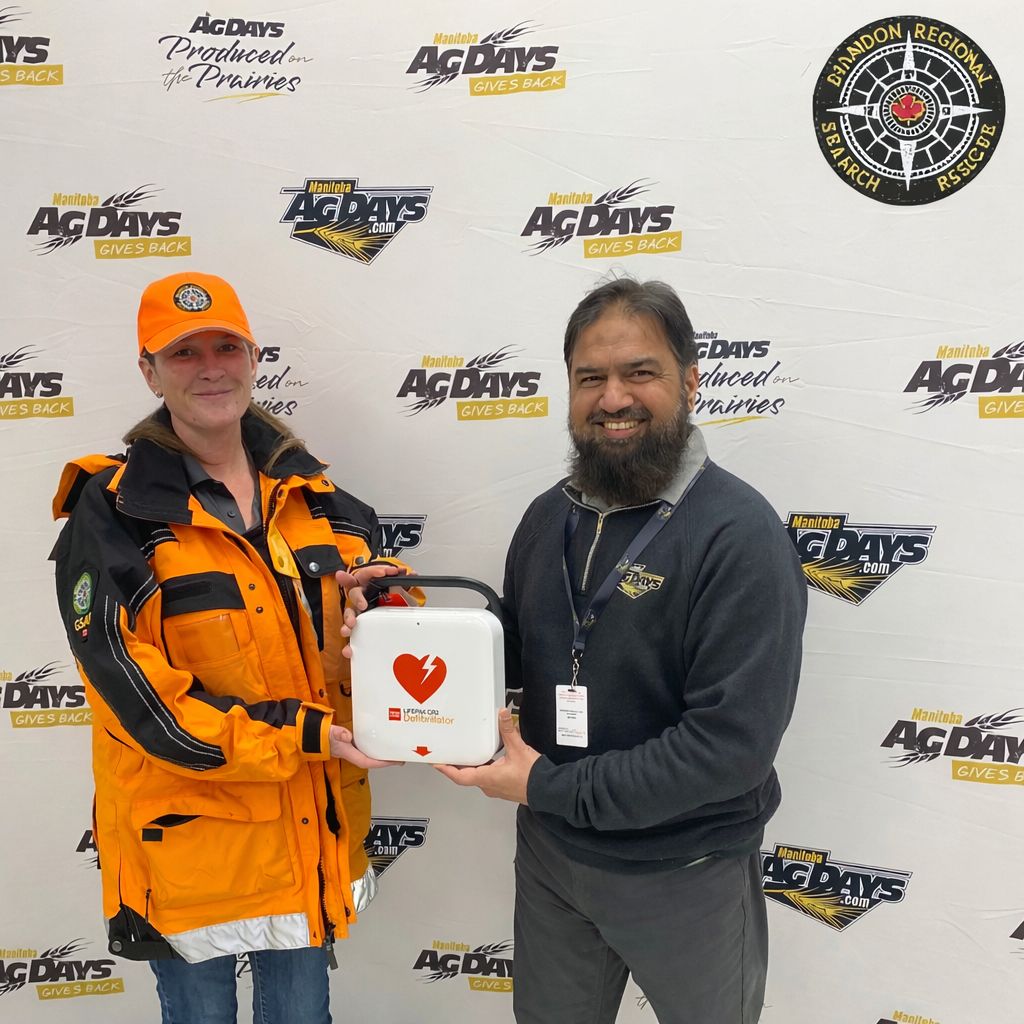
Loni Powell receives an AED from Amir Farooq (Government Representative from Manitoba AG Days Board of Directors)
Brandon Regional Search and Rescue Association is incredibly grateful to be a recipient of the Ag Days Gives Back Community Grant through the cost-share AED program 🚑⚡
Thanks to the generosity of @MbAgDays and their partnership with St. John Ambulance, we are able to add a LifePAK CR2 AED to our lifesaving equipment. This investment strengthens our ability to respond quickly and effectively when our community needs us most.
Once again many thanks to the Manitoba Agriculture Days Board of Directors.
 Brandon Regional Search and Rescue Association