 Brandon Regional Search and Rescue Association
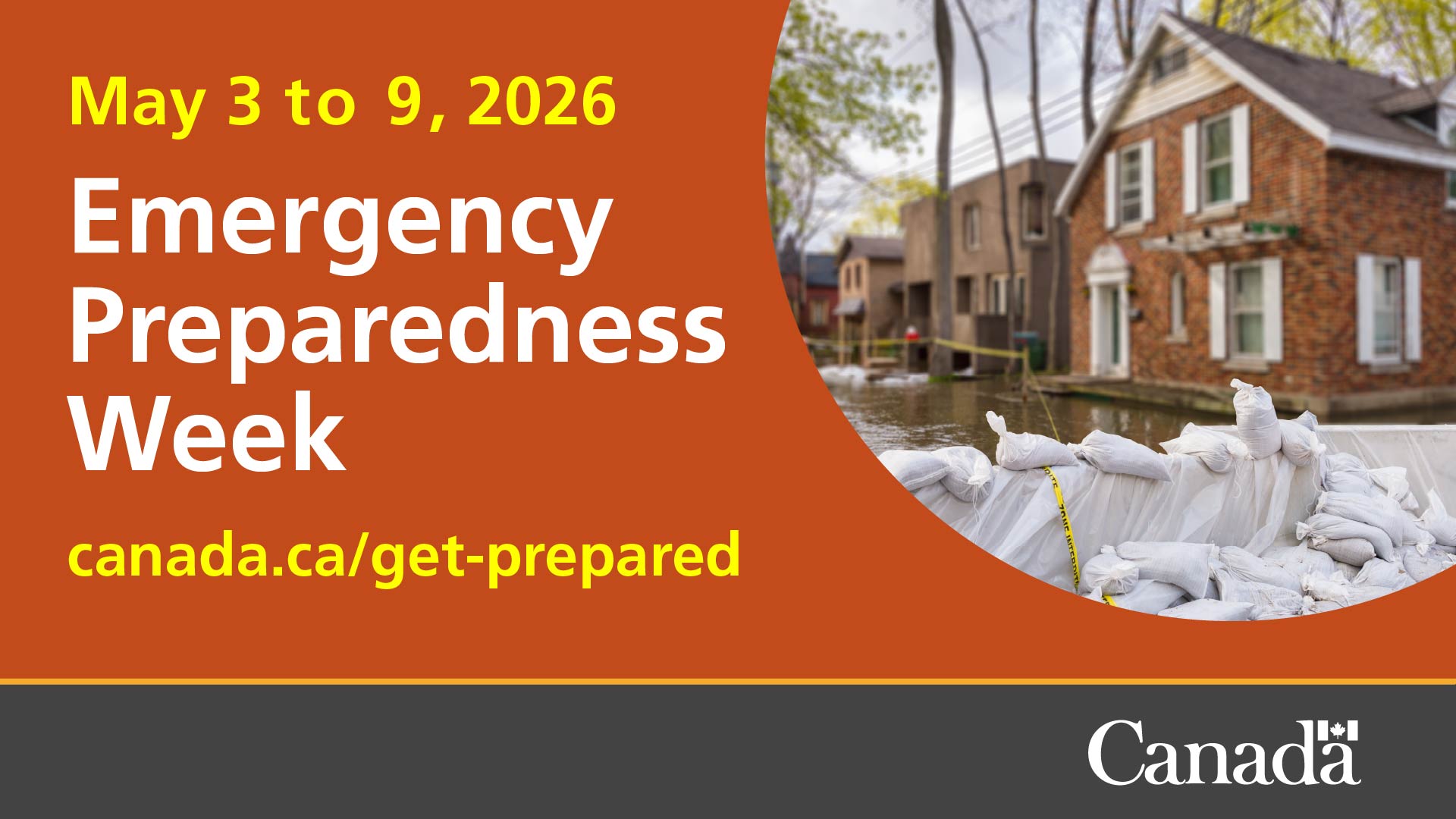
 EMERGENCY PREPAREDNESS WEEK – MAY 3-9 2026
Know The Risks
Canada faces various regional hazards. Being prepared means knowing the risks in your area and how to respond. Emergencies may also arise from events like bomb threats, chemical spills, or disease outbreaks. Public Safety Canada has prepared a list of Common Hazards and Emergencies in Canada
Make an Emergency Plan
It will take you about 20 minutes to make a family emergency plan online. You can then print it out.
Before starting, you will need to think about:
- Safe exits from home and neighbourhood
- Meeting places to reunite with family or roommates
- Designated person to pick up children should you be unavailable
- Contact persons close-by and out-of-town
- Health and insurance information
- Places for your pet to stay
- Risks in your region
- Location of your fire extinguisher, water valve, electrical panel, gas valve and floor drain
BUILD A KIT
Where to start
- What you need may depend on where you live and who is in your home so your emergency kit should be tailored to your unique needs. For example, people in remote areas may need extra items
- Check with your local, provincial, or territorial government to see what else you should include
- If you can, add more supplies in case the emergency lasts longer
- Build an emergency kit over time with items from your home
- Start with assembling basic supplies, documentation and medical equipment before moving to additional supplies
- Your emergency kit should be easy to take with you in the event of an evacuation. If needed, create separate grab and go bags for each member of your household
Basic emergency kit checklist
These are the emergency essentials you need in your emergency kit:
Stored or bottled water: two litres per person per day for drinking,
cooking and hygieneNon-perishable food, such as canned food, energy bars and dried foods (replace once a year)
Manual can opener
Wind-up or battery-powered flashlightWind-up or battery-powered radio
Extra batteries and battery packs
First aid kit including adhesive bandages, tape, gauze, antiseptic wound cleanser, and disposable gloves
Extra keys for your car and house
Cash in smaller bills and coins
Mobile phone charger and power bank
Tissue paper, toilet paper and paper towels
Important documents
Physical and digital copies of important documents such as:
Identification for each person (birth and marriage certificates, passports, citizenship papers)
Emergency plan: include a copy in your kit, including
contact information
List of all medications, dosage and purpose of them
Contact information for emergency service providers (e.g. doctors, health care, shelter supports, etc.)
Medical insurance information and provincial/territorial health number
Other insurance information (e.g. homeowners, renters, vehicle)Banking information and records
Next of kin contact
Medical and other important items
Some supplies should be added based on the needs of the people in your home:
Toiletries and personal hygiene items including menstrual supplies
Pet supplies including food, water, and medication
Infant formula, baby food, and wipes
Prescription medications and medical equipment
Eyeglasses and contact lens solution
Sunscreen and bug spray
Additional supplies
After putting together your basic emergency kit, consider adding these items to be more prepared for specific hazards or a longer period of time:
N95 masks or surgical masks
Water purifying tablets or additional stored water for cooking and cleaning
Basic tools such as a hammer, screwdrivers, gloves and pocket knife
Small fuel-operated stove and fuel (never use inside buildings, tents, or other closed spaces)
Hand sanitizer and garbage bags
Whistle
Candles with waterproof matches or lighter, stored safely
Pen and paper
Duct tape, scissors and plastic sheeting
Grab and go bags
Consider preparing a separate grab-and-go bag for each member of your household. These bags should include essential items from your basic emergency kit, but are easier to carry in an evacuation. Additionally, consider adding the following items to a grab-and-go bag:
Local maps
Change of clothing and footwear for each household member
Sleeping bag or warm blanket for each household member
Utensils, plates and cups
A small multi-tool with a screwdriver, scissors, and other useful tools
Activities for children like books, puzzles or toys
Further Information
We recommend you check out the following sites:
Public Safety Website: Emergency preparedness – Canada.ca
Manitoba Emergency Management Organization (EMO)
MB Ready
MB Ready is Manitoba’s public emergency information platform, now available for download in your app store. Set up your geographic boundary on MB Ready, so you can get real-time location-based emergency notifications for severe weather, wildfires, flood, road closures, power outages, and other hazards in Manitoba. Download MB Ready to stay informed and take action to stay safe.
Alerting
Manitoba will participate in the upcoming test to the Alert Ready National Public Alerting System on Wednesday, May 6, 2026, at 1:55 pm. The test will occur on all platforms including television, radio, and compatible wireless devices. These tests ensure the Alert Ready system operates as intended during an imminent or life-threatening situation. Additionally, these tests serve to increase public awareness about the Alert Ready system; how it works, what an emergency alert looks and sounds like so that Manitobans can be ready in the event of an actual emergency.
For more information about emergency alerts, visit Alert Ready or Manitoba EMO.
Resources
Manitoba EMO has prepared a variety of emergency preparedness resources in English and French that local authorities are encouraged to use and share with community members.
 Brandon Regional Search and Rescue Association